Quick Answer
Progressive wins for gig economy workers and tech-savvy drivers who want app-based claims and usage-based savings (Snapshot can cut your premium by up to 30%). State Farm wins for bundlers and anyone who wants a local agent they can actually call by name (bundling discounts run 15-25%). For most drivers, Progressive averages $1,200-$1,450 per year while State Farm averages $1,300-$1,500 per year nationally, but your specific zip code, driving history, and vehicle make a far bigger difference than the company name on your policy.

Progressive vs. State Farm At a Glance
Before getting into the pricing details and discount breakdowns, it helps to understand what each company actually is at its core. Progressive and State Farm are two of the largest auto insurers in the United States, but they were built on very different philosophies about how insurance should work.
Progressive, founded in 1937 in Mayfield Village, Ohio, positioned itself early as a disruptor. It was the first major insurer to let customers compare competitor rates on its own website – a genuinely bold move – and it has continued leaning into technology ever since. Today it insures over 28 million vehicles and writes policies across all 50 states.
State Farm, founded in 1922 in Bloomington, Illinois, took the opposite approach: build a massive network of local agents who know their customers personally. That strategy paid off. With over 83 million policies in force and more than 40,000 agents nationwide, State Farm is the single largest auto insurer in the country by market share. It is a mutual company, meaning it is technically owned by its policyholders rather than public shareholders.
| Category | Progressive | State Farm |
|---|---|---|
| Founded | 1937 | 1922 |
| Headquarters | Mayfield Village, OH | Bloomington, IL |
| Policies in Force | ~28 million vehicles | ~83 million (all lines) |
| AM Best Rating | A+ (Superior) | A++ (Superior) |
| Market Share (U.S. auto) | ~14% | ~17% |
| Number of Local Agents | ~35,000 (independent) | 40,000+ (captive) |
| Primary Strength | Tech-forward, gig workers, digital claims | Bundling, local agents, family coverage |
State Farm’s AM Best rating of A++ puts it in a slightly higher financial stability tier than Progressive’s A+, though both ratings indicate that either company is extremely unlikely to have trouble paying claims. For most consumers, the difference between those two ratings is academic. What matters more is how they treat you when you actually file a claim – which we cover in detail below.
One more thing worth flagging upfront: both companies are financially enormous, have been paying claims for decades, and operate in every state. You are not taking a risk by choosing either one. The decision comes down to which pricing model, service style, and discount structure fits your actual life.
Rates and Quotes: Who’s Actually Cheaper?
This is the question most people come here to answer, and the honest answer is: it depends on your driver profile more than anything else. That said, national averages do give us a useful starting point. Based on aggregated rate data from multiple independent sources including insurance.com’s comparison guide, here is how typical premiums break down across different driver profiles.
| Driver Profile | Progressive (Annual Avg.) | State Farm (Annual Avg.) |
|---|---|---|
| Clean record, age 35-50 | $1,275 | $1,395 |
| Young driver, age 18-25, no accidents | $2,100-$2,600 | $2,250-$2,800 |
| One at-fault accident in 3 years | $1,750-$2,100 | $1,650-$2,000 |
| Senior driver, age 65+ | $1,350-$1,600 | $1,280-$1,520 |
| Urban (major metro area) | $1,600-$2,000 | $1,700-$2,100 |
| Rural (small town/suburban) | $900-$1,200 | $880-$1,150 |
A few things jump out from this data. Progressive is generally cheaper for clean-record adult drivers by roughly $100-$150 per year. But State Farm edges ahead after an at-fault accident, because Progressive penalizes accident history more aggressively in many states. Seniors often find State Farm slightly more competitive, partly because State Farm’s agent network has historically done a better job of capturing long-term loyalty discounts for older policyholders.
The urban versus rural split is interesting too. In dense metro areas, both companies charge more – that is simply the reality of higher theft rates, more accidents per mile, and expensive repair costs. In rural markets, State Farm sometimes undercuts Progressive because of its deeper market penetration in those regions.
Your deductible choice also plays a meaningful role in your premium. How you set your insurance deductible changes your annual cost significantly with both insurers – a $1,000 deductible versus a $500 deductible can lower your premium by $200-$400 per year depending on your coverage level. Progressive and State Farm both let you adjust deductibles independently for collision and comprehensive, which gives you fine-grained control over your out-of-pocket risk.
One thing I want to be direct about: the only way to know who is cheaper for you specifically is to get a quote from both. Progressive makes this fast – you can get a full quote in about 5 minutes at progressive.com. State Farm’s online quote tool is slightly clunkier, but you can also reach a local agent directly through statefarm.com. Do both before making any decision.
Coverage Options and Flexibility
Both companies offer the standard menu of auto insurance coverage types that you would expect from major national carriers. The question is not really whether they offer certain coverages, but rather how customizable the limits are and what add-ons are available.
Core Coverage Types
Liability insurance – the coverage that pays for damage you cause to other people and their property – starts at state minimums for both companies. Most states require somewhere between $12,500 and $50,000 in bodily injury liability per person, and both Progressive and State Farm meet those minimums. I would not recommend carrying just the minimum. Both companies let you push liability limits significantly higher, which matters if you have assets worth protecting. This is also where umbrella policies become relevant – if you own a home, have retirement savings, or run a small business, understanding umbrella insurance coverage and how it stacks on top of your auto policy is worth your time. State Farm makes this particularly easy since it sells umbrella policies and can bundle all three under one account.
Collision and Comprehensive
Both companies offer collision (damage to your car from crashes) and comprehensive (theft, weather, vandalism, hitting an animal) with comparable deductible options. One meaningful difference: Progressive offers a Loan/Lease Payoff add-on that functions similarly to gap insurance, covering the difference between your car’s actual cash value and what you still owe the lender. State Farm offers gap insurance through its own products. If you are financing or leasing a vehicle, ask about this specifically – dealers often sell overpriced gap coverage that you can get cheaper through your insurer. Progressive’s gap add-on typically costs $5-$10 per month, while dealer-sold gap coverage can run $500-$700 as a lump sum rolled into your loan.
Uninsured and Underinsured Motorist Coverage
Both Progressive and State Farm offer uninsured motorist (UM) and underinsured motorist (UIM) coverage up to $100,000 or more per person in most states. About 12-14% of U.S. drivers are uninsured at any given time, so this is not a coverage to skip. Limits and availability do vary by state – some states make UM/UIM mandatory, others make it optional. Both companies match each other closely here, so coverage limits should not be a deciding factor between the two.
Medical Payments and PIP
Medical payments (MedPay) and personal injury protection (PIP) cover your medical bills and sometimes lost wages after an accident, regardless of fault. Whether you need PIP versus MedPay depends heavily on your state. In no-fault states, PIP is mandatory. Both Progressive and State Farm offer PIP where required and MedPay as an option elsewhere. MedPay limits typically range from $1,000 to $25,000 at both companies; PIP limits in no-fault states can go significantly higher depending on the state’s requirements.
Add-On Coverages
Roadside assistance is available 24/7 from both companies as an endorsement – this covers towing, lockouts, flat tires, dead batteries, and fuel delivery. Rental car reimbursement is also available from both, typically covering $30-$50 per day while your car is being repaired. Progressive’s custom parts and equipment coverage (for aftermarket upgrades) is notable if you have modified your vehicle – it covers upgrades up to $5,000 by default, with higher limits available.
State Farm’s coverage menu is slightly more extensive when it comes to life, home, and small business policies under one roof – which matters if you want a single insurer managing multiple aspects of your financial life. Progressive’s coverage options for commercial use vehicles and classic cars are also worth noting if you drive something outside the standard personal auto category. Progressive’s classic car coverage, offered through Hagerty, is particularly well-regarded among collectors.
Discounts: Where You Actually Save Money
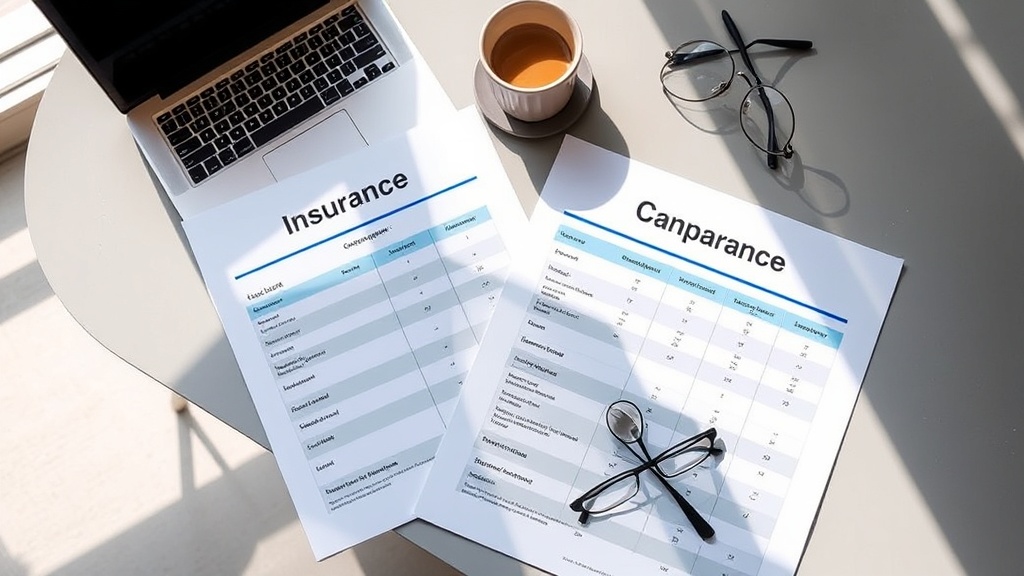
Both companies run extensive discount programs, and the gap between your “sticker price” premium and what you actually pay can be substantial. Here is a breakdown of the specific discounts available from each company, with realistic savings estimates.
Progressive Discounts
- Snapshot (usage-based program): Up to 30% savings. You plug in a device or use the app for 6 months. Progressive monitors your speed, braking, time of day, and mileage. Safe drivers get significant discounts. Aggressive drivers can see rates increase slightly.
- Multi-policy bundling: 5-15% off auto when you add home, renters, or life insurance through Progressive.
- Multi-vehicle: 4-10% discount for insuring two or more vehicles on the same policy.
- Continuous insurance discount: If you have had no gap in coverage, you save – typically 7-12% depending on your tenure.
- Homeowner discount: Even if you do not bundle your home insurance through Progressive, just owning a home gets you a discount (around 3-7%).
- Pay-in-full discount: Paying your annual premium upfront saves roughly 5-9%.
- Online quote discount: Starting your quote online rather than through an agent saves a small amount – typically $5-$25 one-time.
- Good student discount: Full-time students with a B average or better save 10-15%.
- Teen driver training: Completing a driver’s ed course can reduce premiums for young drivers added to a policy.
State Farm Discounts
- Multi-policy bundling: 15-25% savings when combining auto with home, life, or renters insurance. This is State Farm’s biggest advantage and where it consistently beats Progressive.
- Drive Safe and Save (usage-based): Up to 30% savings. Similar telematics program to Snapshot – tracks braking, acceleration, speed, and mileage through a beacon or app.
- Steer Clear program: For drivers under 25 with a clean record who complete the program (online course plus supervised driving logs). Savings of 15-20%.
- Good student discount: 25% reduction for students with a B average – notably higher than Progressive’s equivalent.
- Accident-free discount: Staying claim-free for 3+ years earns an ongoing discount.
- Defensive driving course: Completing an approved course earns a discount, particularly useful for seniors.
- Anti-theft device: Installing a qualifying system earns 5-15% on comprehensive coverage.
- Vehicle safety features: Automatic seatbelts, airbags, and anti-lock brakes all qualify for small reductions.
Overall, Progressive offers more individual discount categories, but State Farm’s bundling discount is larger and more impactful for households with multiple policies. If you are a single-policy holder, Progressive’s discount stack – especially Snapshot plus continuous insurance plus pay-in-full – can be meaningful. If you own a home and are looking to consolidate policies, State Farm’s math usually wins.
To put real numbers on it: a Progressive policyholder stacking Snapshot (20% savings), continuous insurance (10%), and pay-in-full (7%) on a $1,275 base premium could bring their annual cost down to around $850. A State Farm policyholder bundling auto with homeowners (20% savings) on a $1,395 base would pay around $1,116 on the auto policy alone – but the combined household savings across both policies would likely exceed what Progressive delivers on auto by itself.

Digital Experience and Claims Process
Progressive was genuinely ahead of the industry on digital tools, and it still holds an edge here – though State Farm has closed the gap considerably in the last three years.
Mobile App Comparison
Progressive’s app rates 4.6 out of 5 on Google Play and around 4.7 on the Apple App Store. It integrates directly with the Snapshot program, lets you file claims with photos, track claim status in real time, access your ID cards, make payments, and request roadside assistance – all without calling anyone. The interface is clean and the photo-based claims tool genuinely works well for minor accidents.
State Farm’s app rates 4.4 on Google Play and 4.8 on the Apple App Store. It has strong functionality for payments, ID cards, and basic claim reporting, but the claims experience is more likely to route you toward a human agent than Progressive’s app is. That is not necessarily a bad thing – complex claims often benefit from human involvement – but for a quick fender-bender claim, Progressive’s fully digital path is faster.
Claims Filing Speed
Progressive can process straightforward digital claims in 24-48 hours when the damage is minor and photos are sufficient. I have seen real-world reports of Progressive sending electronic payment for small claims within 24 hours of photo submission. State Farm’s average claim processing time runs 2-5 business days, though complex claims at both companies can take longer.
Both companies offer 24/7 claims reporting by phone. State Farm’s advantage is that you have the option to walk into a local agent’s office and handle things face to face, which some people – particularly after a stressful accident – genuinely prefer over tapping through an app.
Online Quote Experience
Progressive’s online quote flow is faster. You can get a full bindable quote in 4-6 minutes. State Farm’s online tool works, but some coverage combinations require agent follow-up to finalize. For people who want to research, compare, and buy entirely online without talking to anyone, Progressive wins this category clearly.
Customer Satisfaction Scores
According to J.D. Power’s 2024 auto insurance satisfaction study, State Farm scores 80 out of 100 compared to Progressive’s 78 out of 100. Both are above the industry average of 76. State Farm’s small edge appears to come from its agent network – customers who have a dedicated local agent consistently rate their overall experience higher than customers who interact primarily through digital channels. For claims specifically, Progressive scores slightly higher in digital claim submission satisfaction, while State Farm leads in overall claims outcome satisfaction – a distinction that matters depending on what you value most.
Special Considerations for Gig Workers, Renters, and Freelancers
Standard personal auto insurance has a gap that catches a lot of people off guard: it does not cover you when you are driving for hire. If you drive for Uber, Lyft, DoorDash, or any similar platform, your personal policy likely stops covering you the moment you switch on the app. This is not a fine-print technicality – it is a major coverage gap that has left drivers stuck with serious out-of-pocket costs after accidents.
Both Progressive and State Farm offer rideshare endorsements to fill this gap, but the details matter. For a complete breakdown of how this gap works and what to watch for, the rideshare insurance coverage guide here on Policy Frontline goes through the mechanics of each coverage phase in detail. Here is how the two companies compare specifically.
Progressive for Gig Drivers
Progressive has been more aggressive about marketing to gig economy workers than most major insurers. Its rideshare endorsement is available in most states and activates coverage during all three phases of rideshare driving: when the app is on but no passenger request has been accepted, when you have accepted a ride, and when a passenger is in the car. The endorsement adds roughly $6-$20 per month to your premium depending on state and driving record.
Progressive also offers commercial auto coverage for freelancers who use their vehicle for deliveries or client visits – a separate product that is more appropriate for heavy commercial use than a rideshare endorsement. If you are doing deliveries full-time rather than part-time rideshare, the commercial product is worth asking about specifically.
State Farm for Gig Drivers
State Farm also offers a rideshare endorsement, but availability varies by state and the product has been slower to roll out broadly. If you are in a major metro area, you will likely be able to get State Farm’s rideshare coverage. In smaller markets, it may not be available – which is a real practical drawback if you are a DoorDash driver in a mid-size city.
Renters
Both companies offer renters insurance that bundles well with auto. State Farm’s bundling discount makes this pairing more financially attractive – a State Farm auto plus renters bundle typically saves 15-20% on your auto premium. Progressive’s discount for adding renters coverage is smaller, typically 5-10%. A renter paying $1,395 on State Farm auto who adds a $15/month renters policy could see their auto cost drop to around $1,116, making the total combined outlay ($1,116 + $180) very competitive versus a standalone Progressive policy.
Customer Service and Claims Satisfaction
Cheap premiums mean nothing if the company fights you on claims. This is where third-party data becomes important, and fortunately both companies are tracked extensively by the National Association of Insurance Commissioners (NAIC), which publishes complaint ratios standardized by market share.
NAIC Complaint Ratios
The NAIC complaint ratio measures how many complaints a company receives per 1,000 policies relative to its size. A ratio under 1.0 is considered good; anything below 0.5 is excellent. In 2024, Progressive’s NAIC complaint ratio was 0.61, and State Farm’s was 0.48. Both are well within acceptable ranges. State Farm’s lower ratio means proportionally fewer customers are angry enough to file formal complaints, which is a meaningful signal even if the gap is not enormous. To put it concretely: if both companies each had 10,000 policyholders, Progressive would generate roughly 6 formal complaints to State Farm’s 5. Not a dramatic difference, but consistent across multiple years.
Agent Availability
State Farm’s 40,000+ local agents are its single biggest service differentiator. These are captive agents who specialize in State Farm products and build long-term relationships with clients. If you want someone who knows your name, remembers your claim history, and can walk you through a renewal in person, State Farm has no real competition in this category.
Progressive operates with a mix of online-direct sales, call centers, and independent agents who sell Progressive alongside other products. You can get excellent service through Progressive’s phone and app channels, but the personal relationship that State Farm agents cultivate does not really exist in Progressive’s model.
What Happens When Claims Go Wrong
Both companies occasionally deny claims or dispute settlements – that is simply the insurance business. If you ever find yourself in that situation with either Progressive or State Farm, knowing what steps to take matters. The guide on what to do if your insurance claim was denied walks through your appeal options, state insurance commissioner complaints, and when it makes sense to involve an attorney. Neither company is immune to claim disputes, and knowing your rights is as important as choosing the right insurer in the first place.
Both companies offer arbitration as a dispute resolution mechanism, and both are subject to state insurance department oversight. Progressive tends to settle straightforward claims faster, but State Farm’s agents can sometimes advocate internally for customers in complex situations in ways that a digital-first company cannot replicate.
Progressive vs. State Farm: The Comparison Table
This table covers the most important decision points side by side. Use it to identify which company aligns better with your specific situation before getting quotes from both.
| Feature | Progressive | State Farm | Winner | Notes |
|---|---|---|---|---|
| Average Annual Premium (good driver) | $1,275 | $1,395 | Progressive | Based on national averages; varies by zip code and age |
| Mobile App Rating (Google Play) | 4.6/5 | 4.4/5 | Progressive | Progressive app emphasizes digital claims and Snapshot integration |
| Claims Processing Time | 24-48 hours (digital) | 2-5 business days (avg.) | Progressive | Progressive’s mobile claims faster; State Farm offers in-person support |
| Multi-Policy Bundling Discount | 5-15% | 15-25% | State Farm | State Farm bundles more aggressively across auto, home, life |
| Usage-Based Program | Snapshot (up to 30%) | Drive Safe and Save (up to 30%) | Tie | Both offer optional, voluntary telematics programs |
| Local Agent Availability | Limited (~35,000 independent) | Extensive (40,000+ captive) | State Farm | State Farm agents are dedicated; Progressive uses independent brokers |
| Good Student Discount | 10-15% | Up to 25% | State Farm | State Farm’s student discount is meaningfully higher |
| AM Best Financial Rating | A+ (Superior) | A++ (Superior) | State Farm | Highest possible rating; both extremely stable |
| NAIC Complaint Ratio (2024) | 0.61 | 0.48 | State Farm | Both below 1.0 (industry good threshold) |
| J.D. Power Satisfaction (2024) | 78/100 | 80/100 | State Farm | Industry average is 76; both above benchmark |
| Rideshare/Gig Driver Endorsement | Available in most states; $6-$20/mo add-on | Available in major markets; varies by state | Progressive | Progressive broader availability and stronger gig focus |
| Gap Insurance / Loan-Lease Payoff | Yes; ~$5-$10/mo | Yes; pricing varies by state | Tie | Both cheaper than dealer-sold gap coverage |
Who Should Choose Progressive?
Progressive is the right call for a specific set of drivers, and if you fall into one of these categories, the case is fairly clear.
Young Drivers Who Are Willing to Use Snapshot
If you are between 18 and 25, drive carefully, and are not putting enormous miles on your car, Progressive’s Snapshot program can cut your premium by up to 30%. Young drivers pay brutal rates with every insurer – that is just how actuarial math works. But Progressive’s Snapshot actually rewards your real behavior rather than just your age category. A 22-year-old who commutes 8 miles each way, drives mostly during daylight hours, and rarely brakes hard can get meaningful discounts that State Farm’s flat rate structure does not offer equivalently. On a $2,300 annual base rate, a 30% Snapshot discount means saving $690 per year. That is real money.
Gig Economy Workers
If you drive for Uber, Lyft, DoorDash, Instacart, or similar platforms, Progressive has thought about your situation more carefully than most insurers. The rideshare endorsement is widely available, clearly documented, and relatively affordable at $6-$20 per month. Progressive has actively positioned itself as the insurer for the gig economy, which means the product design reflects actual gig worker needs rather than being an afterthought.
Tech-Forward Consumers
If you want to do everything through an app – get a quote, file a claim, track your discount, pay your bill, access your ID card – Progressive is the better fit. Its digital infrastructure is genuinely superior, and for minor claims especially, the ability to photograph damage and receive payment within 48 hours is a real practical advantage over calling an agent and waiting for an adjuster.
Single-Policy Holders Focused on Base Price
If you only need auto insurance and you are not bundling with a home or life policy, Progressive’s base rates are typically lower by $100-$200 per year for clean-record adult drivers. Combined with the continuous insurance discount and pay-in-full discount, that gap can widen to $250-$350 per year – enough to make the choice straightforward.
Bottom line for this group: Progressive rewards self-sufficient, digitally comfortable, safe drivers who do not need hand-holding through the insurance process.
Who Should Choose State Farm?
State Farm’s value proposition is different, and for certain buyers it is genuinely the stronger choice.
Multi-Policy Households
This is State Farm’s strongest suit. If you own a home, rent an apartment, or have a life insurance policy, State Farm’s bundling discount of 15-25% on auto changes the math entirely. A household paying $1,395 per year on auto but saving 20% through bundling is now paying $1,116 – which beats Progressive’s unbundled base rate. Add in the home insurance discount and the total household insurance savings are often $400-$700 per year compared to carrying policies at different companies.
Seniors and Long-Term Policyholders
State Farm has deep relationships with older drivers and policyholders who value continuity. Its defensive driving discount specifically helps seniors lower rates, and having a local agent who knows your history and can advocate for you when claims arise is genuinely valuable as your coverage needs become more complex with age. For a 68-year-old with a 20-year State Farm relationship, the loyalty factor and agent familiarity are real benefits that do not show up in a rate comparison table.
Families with Teenage Drivers
State Farm’s Steer Clear program for drivers under 25 is excellent. The good student discount (up to 25%) is also higher than Progressive’s equivalent. For families adding a teenage driver to a policy – which causes premiums to spike sharply, sometimes by $1,200-$2,000 per year – State Farm’s combination of discounts and agent-assisted policy structuring often produces better results. A 17-year-old with a B average qualifying for Steer Clear plus the student discount could see savings of 35-40% compared to the unadjusted rate for their age.
People Who Want a Relationship, Not a Transaction
Some people are just not comfortable managing their insurance entirely through apps and call centers. That is a legitimate preference, not a flaw. State Farm’s agent network exists precisely for this reason. If you want to sit across a desk from someone, review your coverage annually, and have a direct line to a human who knows your files, State Farm is your company.
Frequently Asked Questions
Is Progressive or State Farm cheaper for a young driver with no accidents?
Progressive typically edges out State Farm by $100-$200 per year for clean-record young drivers between 18 and 25, especially those willing to enroll in the Snapshot telematics program. Safe driving habits – low mileage, smooth braking, avoiding late-night driving – can push Snapshot savings up to 30%, making Progressive’s effective rate significantly lower. That said, rates vary by state, zip code, and vehicle type, so State Farm may become competitive if you bundle multiple policies or qualify for its Steer Clear program discount of 15-20%.
Does Progressive work better for rideshare drivers (Uber/Lyft)?
Both Progressive and State Farm offer rideshare endorsements to cover the gap that personal auto policies leave when you are driving for hire, but Progressive markets more aggressively to gig workers and has the endorsement available in more states at $6-$20 per month. State Farm’s rideshare endorsement may not be available in all markets, particularly smaller metros and rural areas. For active Uber and Lyft drivers, Progressive’s stronger focus on the gig economy makes it the easier and more reliable choice when you factor in availability and policy clarity.
How fast does Progressive process car insurance claims compared to State Farm?
Progressive can resolve straightforward digital claims – typically minor accidents where photo documentation is sufficient – in 24 to 48 hours through its mobile app, which is genuinely fast for the industry. State Farm averages 2 to 5 business days for most claims, reflecting its more agent-involved process. For major accidents requiring physical inspections or disputed liability, both companies take longer, and State Farm’s in-person support can actually be an advantage when the situation is complex or contentious.
What is State Farm’s bundling discount, and does Progressive match it?
State Farm’s bundling discount typically runs 15 to 25% off your auto premium when you combine it with home, renters, or life insurance through the same company – this is one of the most competitive bundling offers among major national insurers. Progressive’s bundling discount tops out around 5 to 15%, which is meaningful but significantly lower. For households with two or more policies, State Farm’s bundling savings frequently exceed Progressive’s lower base rates by $200-$400 per year, making State Farm the better total value in bundling scenarios.
Can I get a local agent with Progressive, or is it online-only?
Progressive is not entirely online-only – it works with approximately 35,000 independent agents who sell Progressive alongside other carriers – but it does not have a network comparable to State Farm’s 40,000+ dedicated captive agents. Progressive’s default model pushes customers toward online and phone channels rather than building long-term agent relationships. If face-to-face service, annual policy reviews with a person who knows your history, and local community presence are important to you, State Farm is the clear winner by a wide margin.
Does Progressive’s Snapshot program actually save money, and is it worth the privacy tradeoff?
Snapshot tracks your driving via a phone app or a plug-in device, monitoring hard braking, acceleration, speed, and time of day – and for genuinely careful drivers, the savings can reach 30% off your base premium, which on a $1,275 policy means up to $382 per year. Progressive states that the data is not shared with third parties and you can opt out without penalty, though early exits may mean you miss out on the discount. For low-mileage drivers with smooth habits, Snapshot is almost always worth it; for drivers who commute aggressively or frequently drive late at night, the monitoring may result in a rate increase rather than savings.
Which company has better roadside assistance, Progressive or State Farm?
Both Progressive and State Farm include 24/7 roadside assistance that covers towing, lockouts, fuel delivery, flat tire changes, and battery jump-starts at comparable cost and availability. Response times and coverage limits are broadly equivalent between the two, and neither company has a clear edge based on available data or widespread customer feedback. This is a genuine tie – your choice between these two companies should rest on pricing, discounts, agent preference, or claims experience rather than roadside assistance quality.
What is the difference between Progressive and State Farm for renters moving to a new state?
Both companies operate in all 50 states and allow you to update your policy online when you relocate, so neither has a geographic availability problem. State Farm may have more local agents in your new location to help you navigate coverage requirement changes – which is more useful than it sounds, since mandatory minimums and available coverage types differ meaningfully by state. Progressive’s digital-first approach handles interstate moves smoothly for renters who prefer to manage everything online and do not need local service.
Who has better coverage for uninsured/underinsured motorists, Progressive or State Farm?
Both Progressive and State Farm offer uninsured motorist and underinsured motorist coverage with limits up to $100,000 or more per person in most states, and both allow you to customize limits and deductibles to fit your situation. Coverage availability, limits, and pricing are comparable between the two companies, with no significant structural difference in this specific coverage type. Choose based on other factors like total premium, claims speed, bundling discounts, or agent availability – UM/UIM coverage quality alone is not a differentiating factor between these two insurers.
Should I switch from Progressive to State Farm if I bundle multiple policies?
If you have two or more policies – auto plus home, renters, or life – State Farm’s bundling discount of 15 to 25% often produces total household savings that outweigh Progressive’s lower standalone auto rates, sometimes delivering $400-$700 in combined annual savings compared to carrying policies separately. The breakeven math usually tips toward State Farm once you have a homeowners policy in the mix. Use State Farm’s online bundle calculator or speak with a local agent to run the numbers before switching, since your specific zip code and coverage combination will determine the exact savings.
Bottom Line: How to Choose
After going through all of this, the choice between Progressive and State Farm is not actually that complicated if you are honest about your situation.
Ask yourself three questions. First: do you have multiple policies to bundle? If yes, go get a State Farm quote immediately – the bundling discount alone will likely make it the better value. Second: are you a safe driver comfortable with telematics monitoring? If yes, Progressive’s Snapshot program gives you a real mechanism to reduce your premium based on actual behavior rather than demographic risk factors. Third: do you want a local agent, or are you comfortable managing insurance through an app and phone? Your answer to that question alone narrows the choice significantly.
My recommendation: for most single-policy auto insurance shoppers with a clean record, start with Progressive at roughly $1,275 per year as a baseline – particularly if you drive for a gig platform or prefer handling everything online. The lower base rate plus Snapshot savings can bring your effective cost well below $1,000 per year if you qualify. For families, homeowners, and anyone with two or more policies who values human support, State Farm at $1,395 per year before bundling discounts is the smarter long-term choice – once you apply a 20% bundle discount, the math shifts decisively in State Farm’s favor at around $1,116 on auto alone.
The practical next step is simple: get a quote from Progressive’s site and State Farm’s site on the same day, using the exact same coverage limits and deductibles so you are comparing apples to apples. The difference could be $0 or it could be $400 per year – and you will not know until you run both numbers. Also worth checking: the full guide to the best car insurance companies if you want to see how Progressive and State Farm stack up against other major carriers before committing to either one.